Meeting-Free Mornings
Establishing company-wide protected time for focused work, allowing team members to tackle complex tasks without interruption.
Real examples of organizations building supportive and comfortable workplace cultures
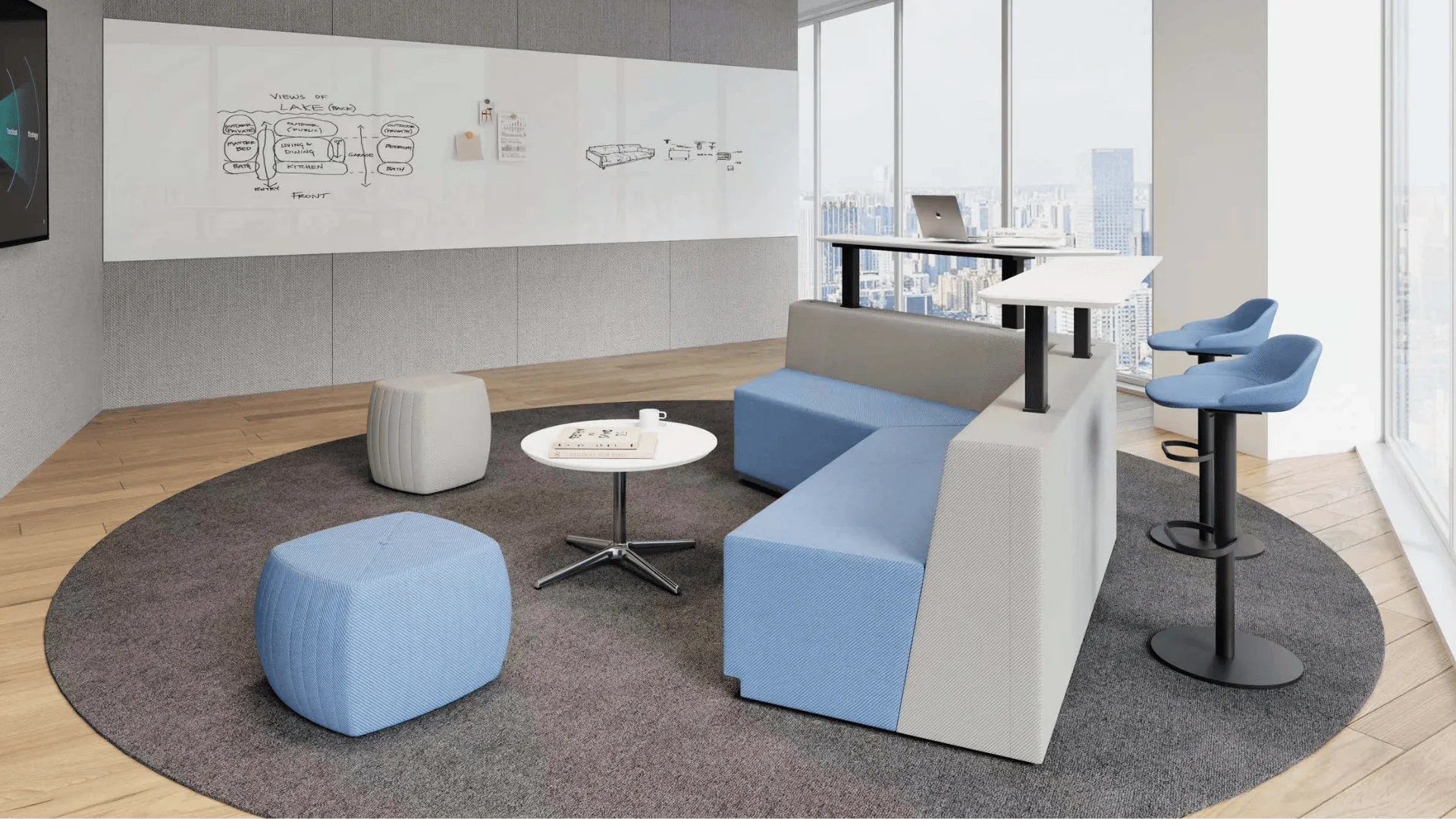
A mid-sized software development firm was experiencing high turnover and team fatigue. Through our assessment, we identified that back-to-back meetings and constant communication interruptions were preventing focused work.
We implemented structured "focus blocks" and redesigned their meeting culture. The team now enjoys predictable quiet time while maintaining strong collaboration.
Practical changes that made a meaningful difference
Establishing company-wide protected time for focused work, allowing team members to tackle complex tasks without interruption.
Creating clear norms around response expectations, reducing the pressure of always-on availability while maintaining team connectivity.
Redesigning common areas to support genuine rest and informal connection, moving away from multi-purpose spaces that never allowed true relaxation.
Elements that contribute to comfortable and psychologically safe workplaces
Building team norms where people feel comfortable sharing ideas, asking questions, and admitting mistakes without fear of judgment.
Creating channels for open communication between team members and leaders, fostering trust and transparency throughout the organization.
Ensuring that workplace routines and spaces accommodate diverse needs, working styles, and personal circumstances.
Incorporating plants, natural light, and organic materials to create spaces that feel welcoming and support well-being.
Additional examples from various industries
A regional bank transformed their high-pressure environment by introducing structured recovery periods and redesigning open-plan spaces for better focus and collaboration balance.
A design agency created zones for different work modes—quiet focus, active collaboration, and social connection—allowing team members to choose environments that match their current needs.
A manufacturing facility developed supportive practices for shift workers, including improved break facilities, lighting adjustments, and team rituals that fostered connection across schedules.
All materials and practices presented are educational and informational in nature, aimed at supporting general well-being. They do not constitute medical diagnosis, treatment, or recommendations. Before implementing any practice, especially if you have chronic conditions, please consult with a qualified professional.
Case studies and testimonials on this page are illustrative examples from specific engagements and are not a guarantee of future results. Outcomes vary by organization.